

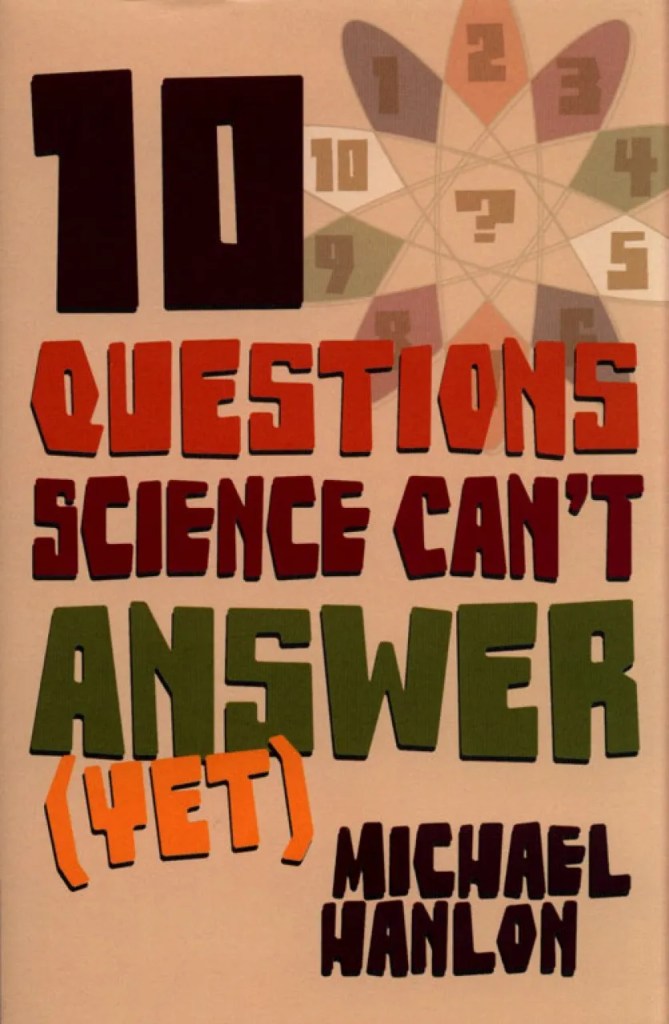
In the book 10 Questions Science Can’t Answer [Yet], Michael Hanlon poses a provocative and urgent question in one of the chapters: “What are we going to do with the stupid?” It’s a question that seems more relevant now than ever, as the current state of the world highlights a disturbing rise in irrationality, extremism, and a rejection of logic. Stupidity, as Hanlon explores, is no longer merely a personal trait but a widespread societal issue. The consequences of this phenomenon are becoming increasingly difficult to ignore.
The Age of Irrationality
In recent years, we’ve witnessed a surge in behaviors and beliefs that defy reason. Whether it’s climate change denial, anti-vaccine movements, flat-earth theories, or conspiracy-driven politics, the influence of irrational thought is proliferating. In many ways, it’s a paradoxical outcome of the Information Age. Never before has humanity had access to so much knowledge and so many tools for learning, yet ignorance seems to thrive.
This isn’t just about a lack of intelligence or education—it’s about a refusal to engage with critical thinking. The problem isn’t necessarily that people are inherently “stupid” but that they choose to reject logic and reason in favor of comfort, fear, or tribalism. This shift toward extremism and anti-scientific thinking has had real-world consequences, with public health crises, environmental disasters, and political instability as the cost of our collective negligence.
Extremism as the Byproduct of Stupidity
As society becomes more polarized, extremism gains a foothold. The more that people retreat into ideological echo chambers, the more they distance themselves from nuanced thinking. In the age of social media, this becomes even more dangerous. Algorithms prioritize sensationalism and outrage, reinforcing biases and creating an environment where extreme views flourish. This behavior, though widespread, is often rooted in a deep-seated stupidity—an unwillingness to question or broaden one’s perspective.
Hanlon’s observation forces us to confront an uncomfortable truth: many of the challenges we face today stem from this very phenomenon. In politics, the rise of populism and authoritarianism is a testament to the allure of simple, emotionally charged answers to complex problems. In science, skepticism has been replaced by denial, with the rejection of hard evidence in favor of conspiracy theories or pseudoscience. The line between misinformation and deliberate stupidity is blurring.
Stupidity Is Not Just Ignorance
One key point that emerges is that stupidity is not synonymous with ignorance. Ignorance is a lack of knowledge, which can be addressed through education. Stupidity, on the other hand, is the stubborn rejection of knowledge, a refusal to engage with facts even when they are presented. It is a willful act of closing oneself off from the truth, preferring comfort over intellectual challenge. This is why Hanlon’s question is so profound. It asks not just how we deal with a lack of information, but how we confront a societal refusal to embrace rational thought.
We are seeing this everywhere today. Whether it’s debates over COVID-19 or political ideologies that reject evidence, stupidity is shaping our future. And unlike ignorance, stupidity is much harder to tackle because it often comes from a place of fear or emotional investment. It’s not enough to present facts or data; people have to be willing to question their own beliefs and be open to change, which is becoming increasingly rare.
Moving Forward: A Call to Action
So, what can we do? Hanlon’s question remains as relevant today as ever, and the answer isn’t clear. However, we can start by recognizing that stupidity, especially in its most dangerous forms, is a societal problem. Education, while crucial, needs to go beyond simply teaching facts; it must foster critical thinking and the ability to engage with opposing viewpoints. At the same time, we need to rethink how we engage with those who reject reason. Dismissing them as “lost causes” only deepens the divide.
The current state of the world demands that we find a way to bridge the gap between reason and irrationality. The consequences of failing to address stupidity—climate disaster, pandemics, political violence—are too grave to ignore. While Hanlon might not offer easy answers, he does provide an important framework for understanding the magnitude of the problem. The fight against stupidity is not just an intellectual battle, but a moral one.
In conclusion, Hanlon’s chapter invites us to confront a reality we often try to avoid: stupidity is pervasive, and its impact is far-reaching. From extremism to misinformation, the world is being shaped by forces that resist reason. To counteract this, we must encourage not just education, but a cultural shift toward critical thinking and open-mindedness. It’s a difficult challenge, but it’s one we cannot afford to lose.

Leave a comment